KNB Calendar
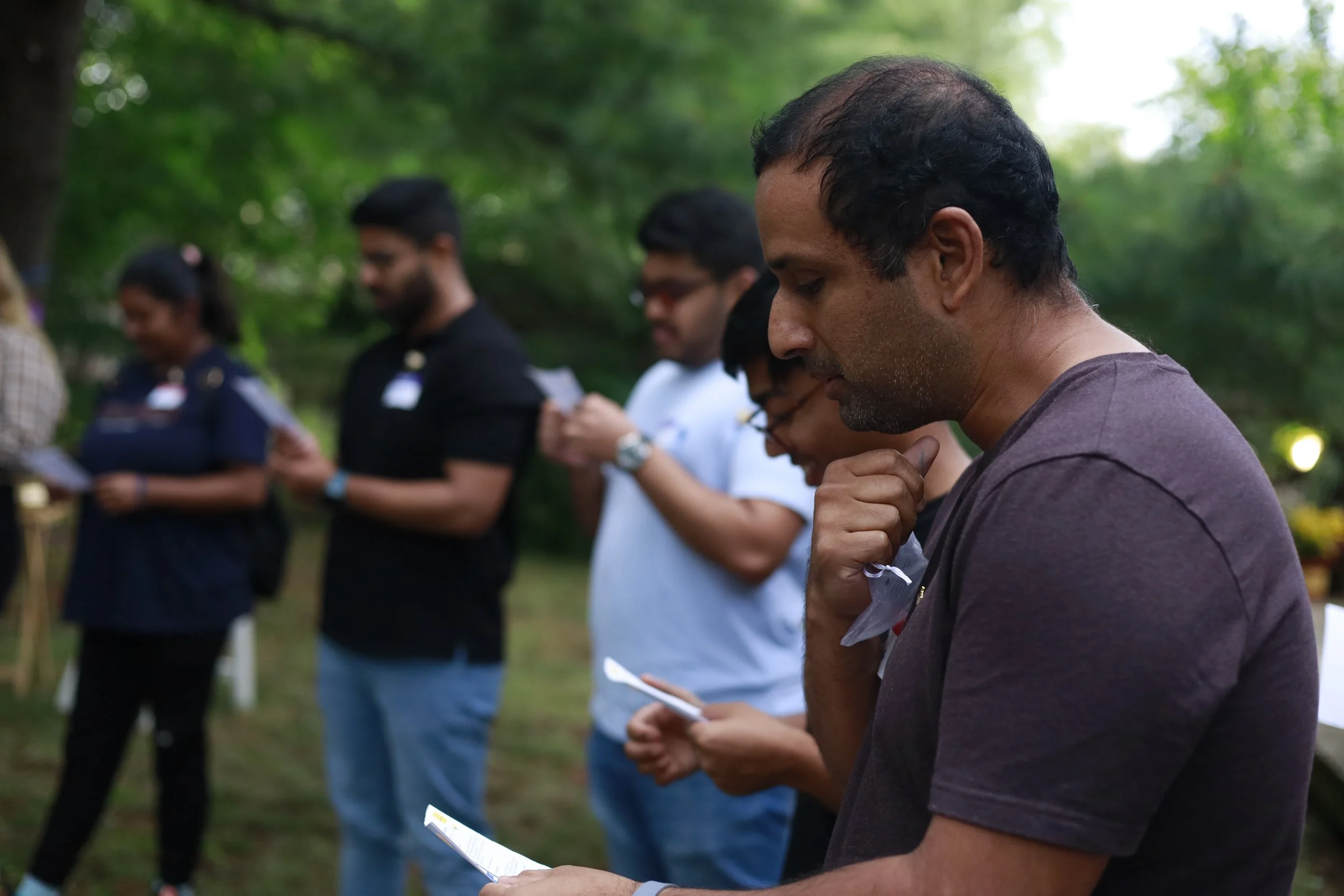
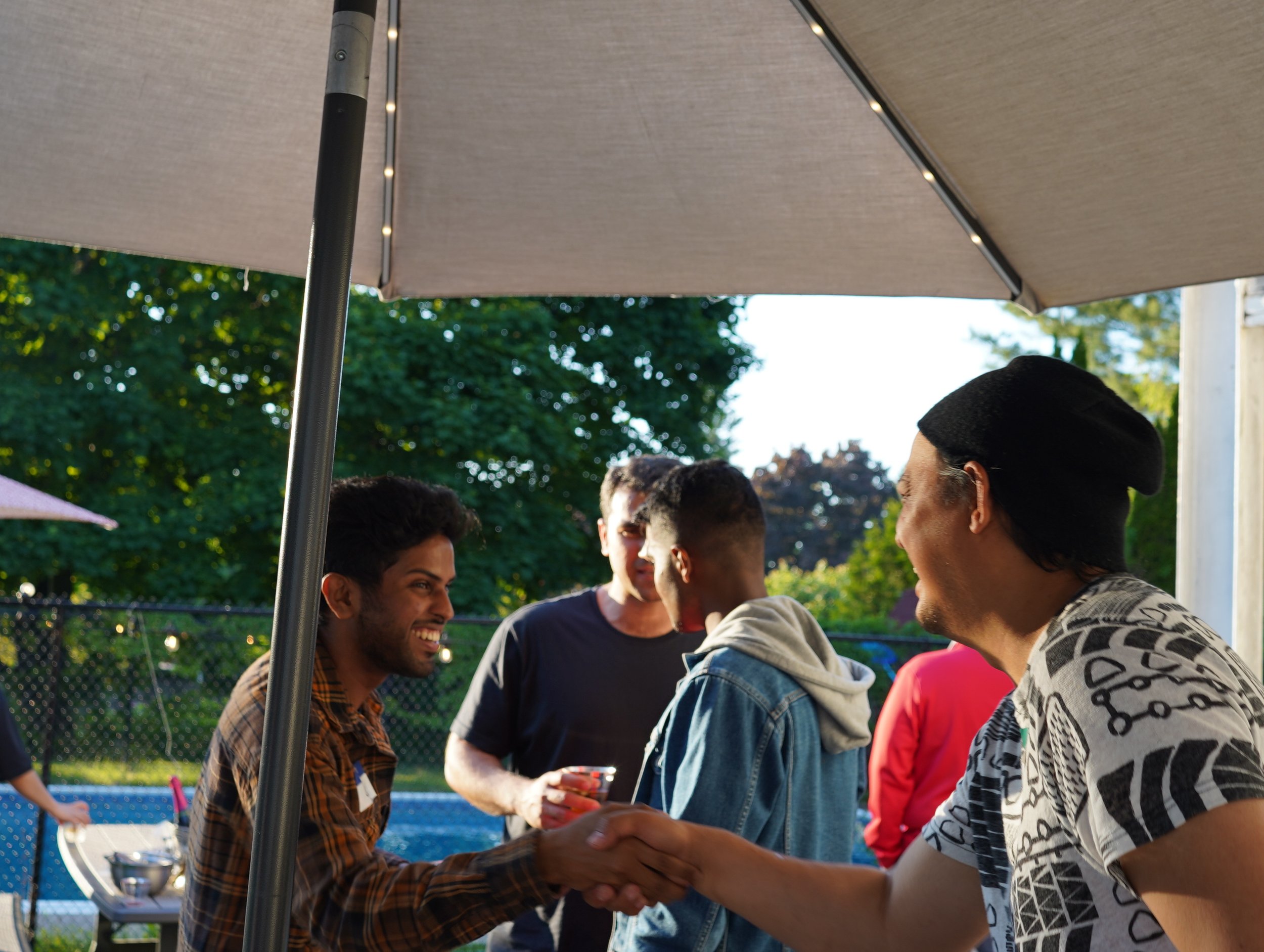
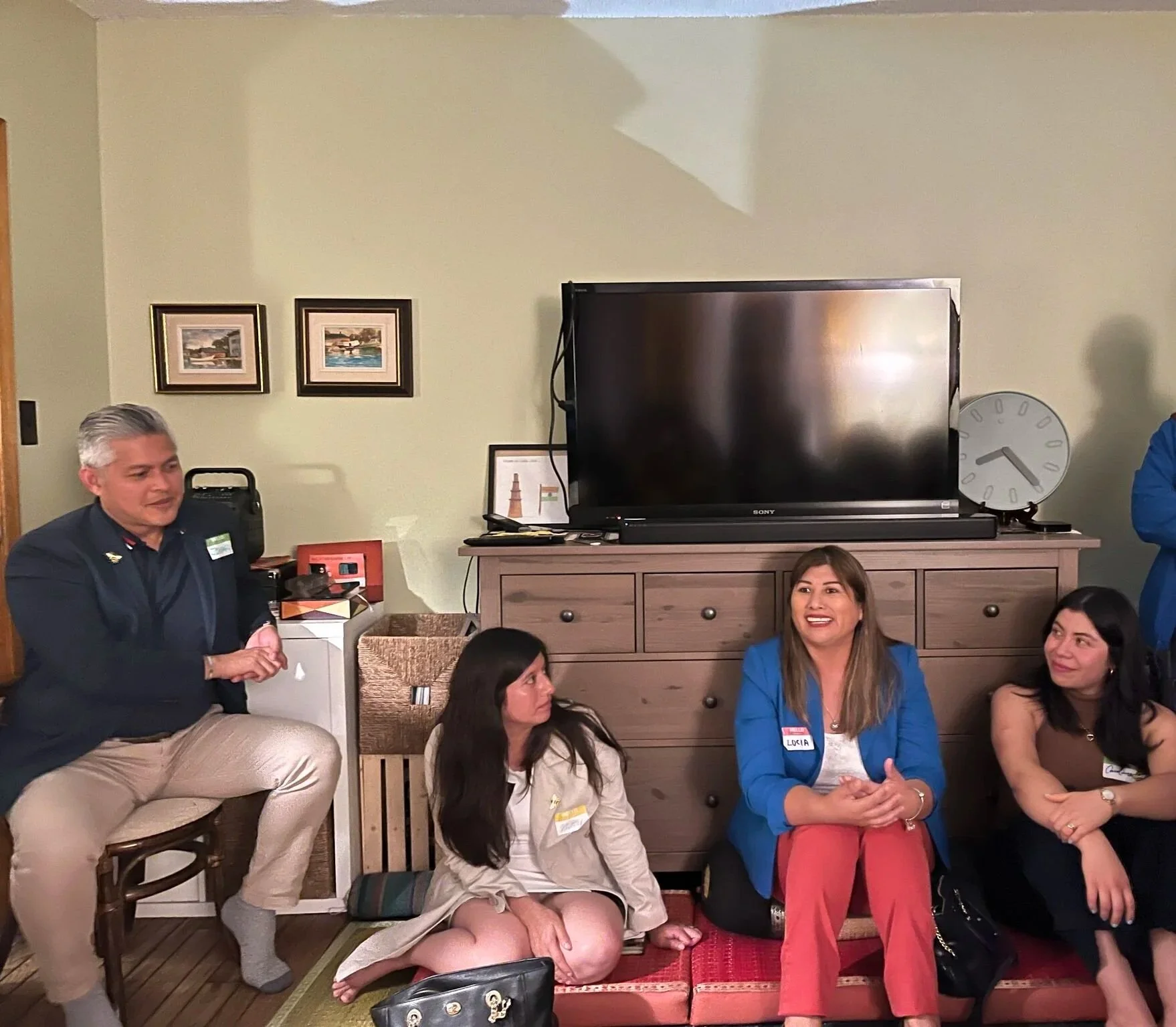
[ OVERVIEW ]Small gatherings for people new to Kingston—and anyone who doesn’t want to walk into rooms alone. Most KNB gatherings are small experiments around a kitchen table, living room, or backyard, not big event halls.
Kingston NetworkBuddy gatherings are peer‑led rooms where people sit together, speak honestly, and see what support or small next steps become possible when we cross together instead of performing or pitching.
If traditional networking feels exhausting or out of reach, you’re in the right place. This is for you if you’re new(ish) to Kingston, in the middle of a big school, work, or life change, or just socially tired but still wanting people around you.
You might be an international student, newcomer, long‑time local, or returning alum—what matters most is that you don’t want to keep crossing this season alone.
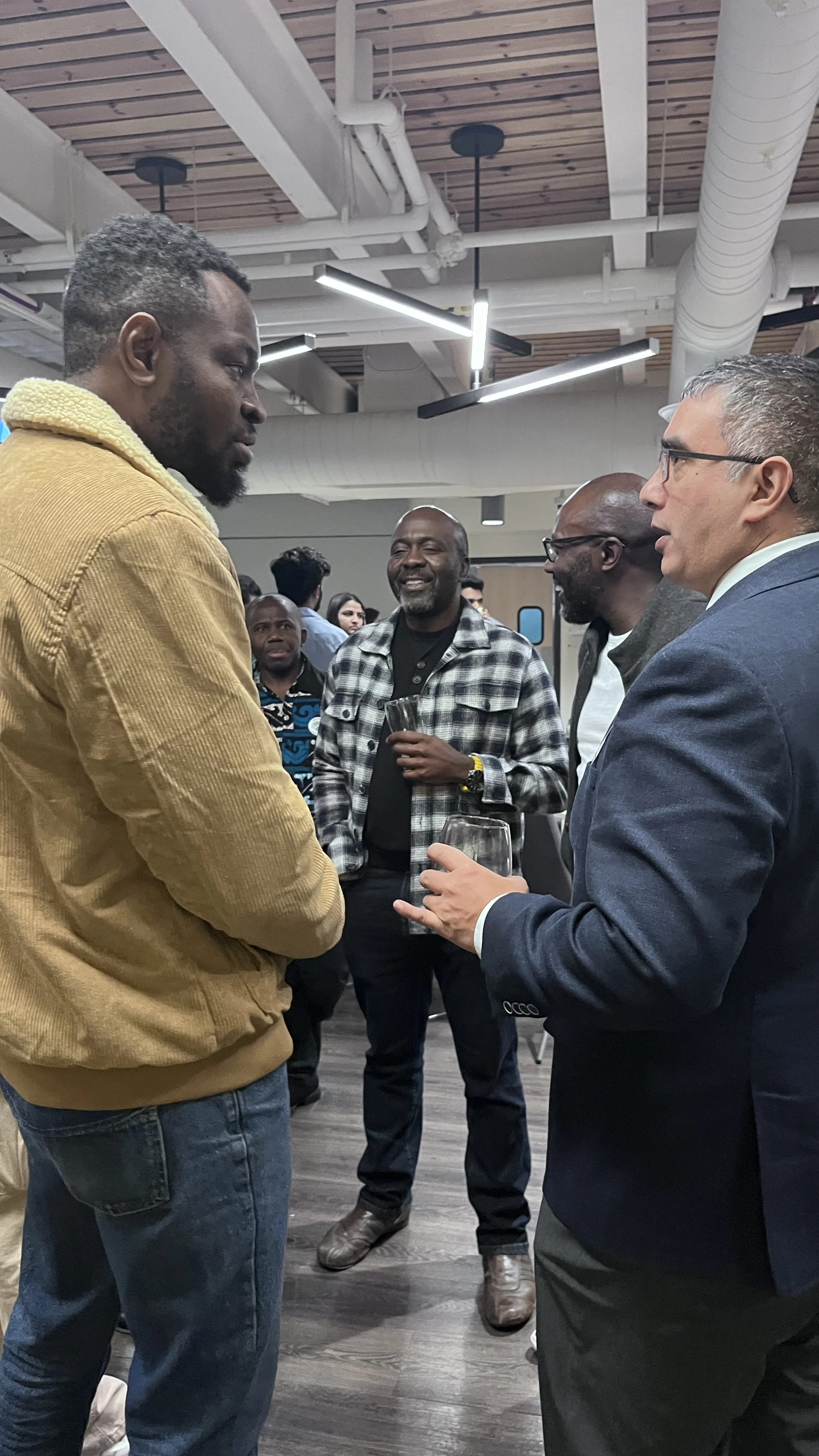
Fall Gathering
Nov 17 -23
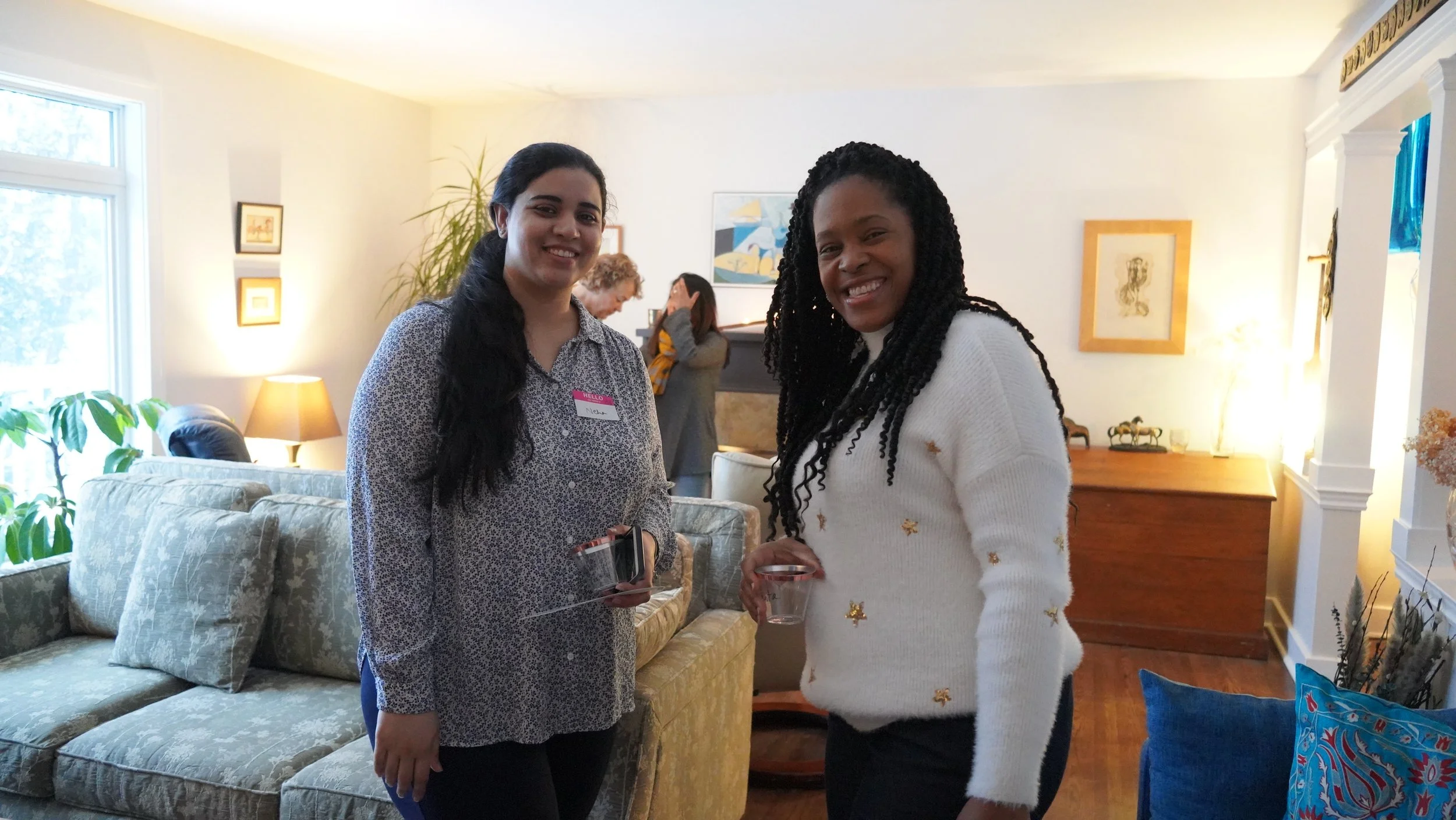
Winter Gathering
Mar 22 -24
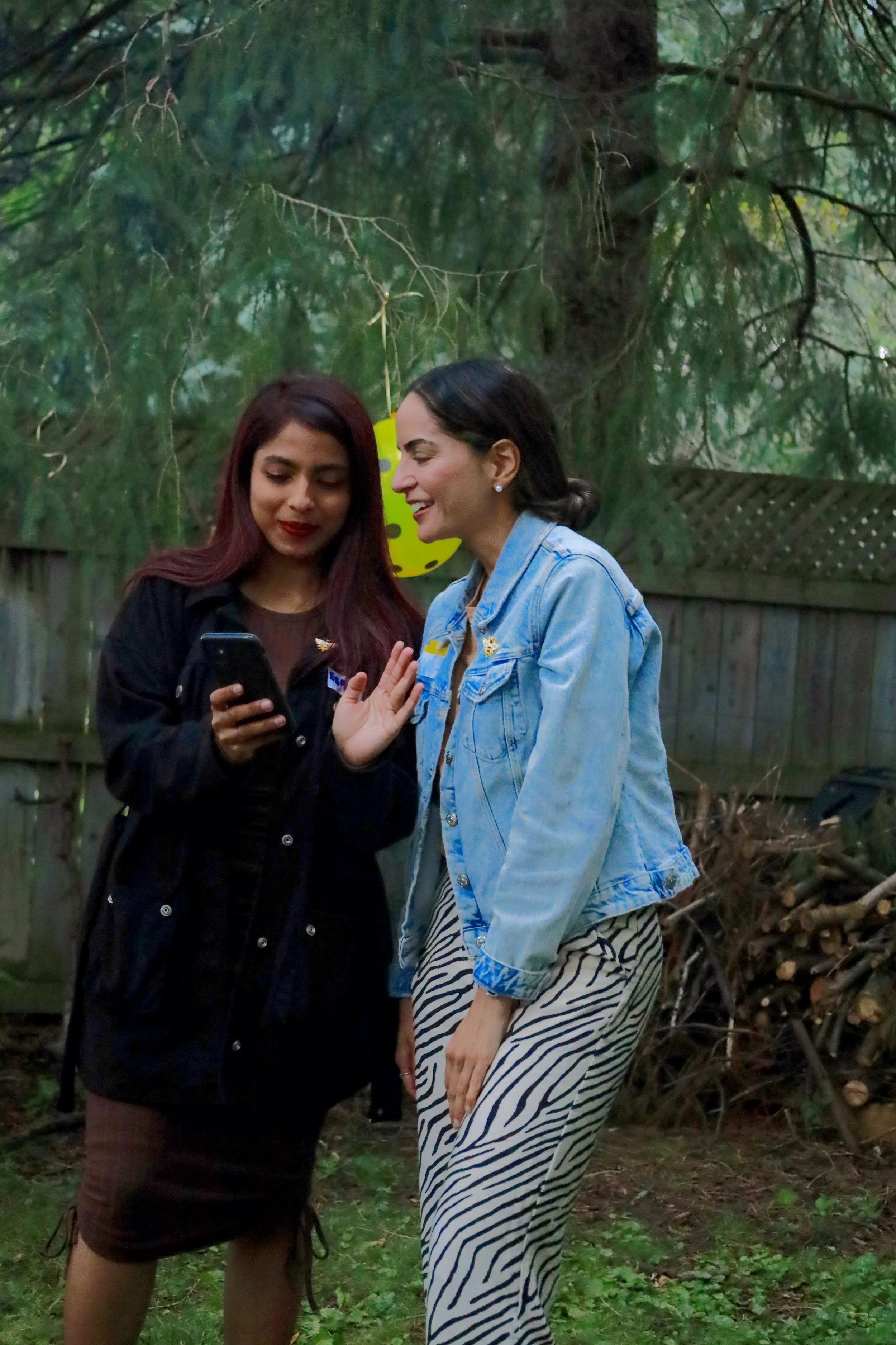
Summer Gathering
Aug 21 -24
[ RULES ]These aren’t strict policies so much as shared understandings that keep KNB rooms gentle, honest, and survivable for people crossing precarity.
The Quiet Rules of a KNB Room
Rule #1 – No performance required
You don’t need to arrive polished, prepared, or “networking‑ready.” You never have to act “okay,” impressive, or confident to be in the room. Exhaustion, fear, homesickness, or mixed feelings are all welcome states in a KNB room; your worth here is not tied to how “together” you seem.
Rule #2 – The room does the work
Hosts, structure, and prompts carry the awkwardness so you don’t have to “work the room” or sell yourself. You can move at your own pace, linger with one person, or just listen and you will not be seen as failing at networking.
Rule #3 – No forced positivity
Gratitude and hope are welcome; pressure to “stay positive” or turn everything into a success story is not required. If things are hard, you can say that without worrying you’re ruining the vibe or making things awkward.
Rule #4 – Newcomer wisdom leads
Newcomers, international students, and denizens are not just guests; their lived experience shapes how gatherings run. If you suggest a tweak, a slower pace, or a different format, that input is treated as design guidance, not a complaint.
Rule #5 – Care before networking
Connection needs space to land — and that space gets harder to find when the room gets too full. Research on small‑group communication and learning shows that people speak more, listen better, and feel more engaged in smaller groups, especially under about 15–20 people. Starting March 2026, KNB gatherings are capped at 10–15 people—small enough for tired people and quieter voices to actually land somewhere.
Rule #6 – You Can Step Back Anytime
Participation is invitational, not mandatory. You can pass on a question, move seats, step outside, or choose not to be photographed, and if someone or something feels off, you can ask a host for help—we’ll adjust the room around you, not the other way around.
[ UPCOMING: WINTER GATHERING ]Wish & Obstacle Session | March 2026
📅 Date: To be announced
⏰ Time: To be announced
⏳ Duration: About 2.5–3 hours
📍 Location: Central Kingston (exact venue shared with confirmed participants by email)
🧑🏿 🤝 🧑🏻 Guests: 8–15 participants, plus KNB team
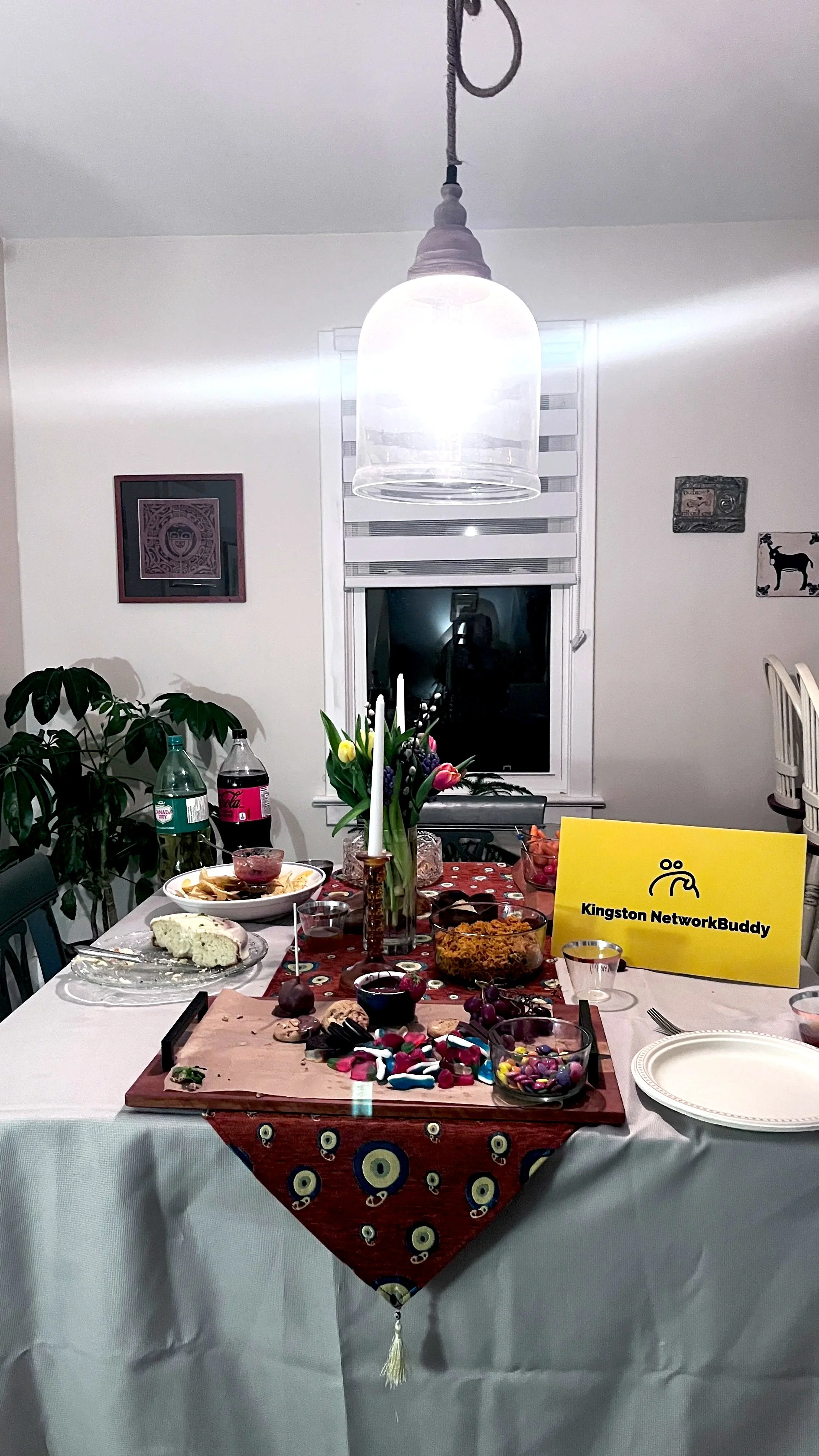
🍎 Food & snacks: Light snacks will be provided, so you don’t need to bring anything to attend. If you’d like to bring something small to share and it fits your budget and capacity, it’s welcome but never expected.
This Winter Gathering will run once in March 2026. The exact day and time are still being finalized; if you click “I’d like to be invited,” you’ll receive an email by February with the confirmed date, time, and venue details.
A small seasonal check‑in for international students, newcomers, and people who already call Kingston home but are feeling the winter heaviness in their bodies or social lives. This is a warm room to land in for a couple of hours, share food, and be around others who are also figuring out how to make life here feel more livable.
We’ll have light structure to help people meet and move around, plus plenty of time to just sit, talk, or be quiet at your own pace. You can come alone or with a friend; no prep is needed, and you can stay for as little or as long as you like within the gathering time.
If you’re tired of walking into rooms alone, or you’ve been avoiding events because they feel too formal or intense, this is a softer place to start.
[ FAQ ]Your Possible Questions
-
KNB is a peer‑led mutual aid space where international students, newcomers, and denizens in Kingston show up together so no one has to walk into rooms alone, and so we can try gatherings that make the hard parts of crossing easier to name.
-
KNB is for both.
It’s for international students, newcomers, and people who have already made a home here—as well as local partners, neighbours, and organizations who want to meet newcomers halfway and learn together what real connection requires.
-
In simple, accessible spaces: backyards, community rooms, campus spaces, or partner venues in Kingston. The point is to feel informal and human, not like a conference.
-
Think of it as structured hanging out. There is usually food, name tags, and light structure from facilitators, but also lots of time for free conversation and moving around. You can participate at your own pace; quiet observers are welcome too.
-
To make it less mysterious, here’s how a typical KNB gathering usually flows, step by step.
Before the gathering – short form, confirmation email, location, and what to bring (optional).
If photos or short videos are being taken, the host will say so clearly, and you can opt out; no one is photographed or filmed without consent.
Arriving – sign in, snacks, unstructured minutes to land in the room.
Settling the room – facilitator explains flow, what’s okay/not okay, simple check‑in.
Small‑group conversations – one wish, one obstacle, or one piece of life; no big story or solution needed.
Closing – brief closing round and practical check‑out (next steps or just leaving less alone).
After – simple follow‑up email, next dates, and reminder people can step in or out depending on capacity.
-
People arrive, are welcomed by hosts and volunteers, and join small-group conversations or activities designed to help newcomers and locals meet halfway—sharing stories, questions, and practical information. There is no stage performance; the focus is on honest, low-pressure connection.
-
KNB gatherings are meant to be supportive, respectful spaces. Harassment, unwanted sexual comments or advances, and discriminatory behaviour are not acceptable. If someone makes you uncomfortable, you can approach a host or volunteer; we may ask people to leave if their behaviour is not safe for others, and we won’t invite them back. The goal is for newcomers, denizens, and partners to be able to show up without fear of being targeted.
-
It has ranged from small circles of 10–20 people to larger gatherings with 50–100 participants and facilitators.
Each experiment is different; invitations describe the expected size.
-
No.
KNB gatherings have been free to attend. KNB is an act of community service, and when costs appear (space, food, materials), they are usually covered through partnerships or small contributions from those who are able.
-
Yes, KNB has a WhatsApp group, but it’s not an actively managed program or open forum.
Only people who have attended at least one KNB gathering can join, so everyone in the group already knows the purpose and feel of what KNB is—a place to give and receive support as peers, not strangers.
The WhatsApp group stays quiet or active depending on real life and capacity, and is intended as a safe space for people who already share lived context, not a general announcements channel.
-
We’ll try to choose accessible spaces and invite people to tell you what they need in advance.
-
You’re welcome to. When KNB is preparing a gathering or experiment, we sometimes invite people to help with welcoming, set‑up, clean‑up, or small‑group hosting. The best way is to sign up for updates or message us, and we’ll reach out when there is a specific, time‑limited role that matches your capacity.
-
KNB has a small, changing core team. Because we are all workers and immigrants with limited capacity, we invite people into team roles slowly and seasonally, not all at once. If you feel a strong alignment with KNB’s values and have some time to give, you can message us and share what you’re interested in. When we open a new experiment or season, we may invite a few people into a clearer role for a limited period and then check together if it still fits.
-
We sometimes partner with community spaces, campuses, and local businesses to host KNB experiments. If you have a venue that feels accessible and welcoming, you can contact us with a short note about your space and what kind of gathering you have in mind. We’ll only say yes when it aligns with our capacity and the kind of experiments we are running that season.
-
You’re welcome to share them. After gatherings, some guests suggest formats, topics, or small changes that could help the next experiment work better for newcomers and partners. You can talk to a host, message us, or reply to any follow‑up email with your ideas. We can’t do everything, but we treat these suggestions as part of the lab—another way we learn what actually helps people connect.
-
That is welcome. Some people support KNB as allies—local or newcomer—by sharing facilitation skills, professional expertise, or connections that fit a specific gathering or experiment. If you see a match between what you know and what KNB is testing, you can contact us and briefly describe your skills or ideas. We invite people in only when it aligns with the experiment and with our capacity that season.
-
KNB is not set up for formal partnerships or ongoing organizational collaborations (like funded projects, program delivery, or shared service models).
Collaboration here means showing up as a human first—sharing knowledge, skills, connections, space, or time as a peer, and leaving titles and institutional status at the door.
If you’re personally crossing newcomer precarity now, or have lived through that crossing before, and want to sit in that with others, you’re welcome to join and offer what you have in the room.
People who work in or are connected to institutions are welcome as long as they are participating as individuals, not speaking or deciding on behalf of their organization.
If your primary goal is to represent an institution, KNB is probably not the right fit, though it’s a gift when someone’s institutional role later aligns with a need that surfaces from the group.
During gatherings, KNB may also point to your services or institution if a need comes up that genuinely aligns with what a participant is asking for, but the starting point is always you showing up as a person, not a role.
Over time, the KNB team will also be slowly building a simple list of service providers and institutions, so that if a personal need comes up in the room and someone wants a referral, we can point them toward options. This list is there to support participants’ self‑directed choices, not to turn KNB into a service program.
-
Sometimes, in small and specific ways. KNB has partnered with local organizations and institutions for particular events—like community service provider fairs or international student symposiums—to help newcomers find us and meet others more easily.
If you have a concrete idea (for example, inviting KNB as a peer‑led presence at your event, or co‑hosting a small experiment in your space), you can contact us with a short description, and we’ll see if it fits our capacity and values that season.
Any partnership like this needs to respect that KNB shows up as a peer‑led mutual aid space first, not as a service program or institutional representative.
-
Each KNB gathering has small real costs (like snacks and materials). Sometimes these are covered from our own pockets; occasionally, a workplace or community group offers one‑time help for a specific gathering (for example, covering food or space).
In KNB’s terms, this is just another way of sharing what you have—like knowledge, skills, connections, or time—not a sponsorship or funding relationship.
KNB still appears only when there is capacity and isn’t entering formal sponsorships, grants, or ongoing funding agreements.
If you’re new to KNB and want to help, the first step is to understand what KNB is and (if it fits you) to join as a peer in the crossing, not as a sponsor or service provider.
If, after that, you or your workplace want to cover small costs for a future gathering (like snacks, materials, space, or possible need for the gathering), you can email a short note.
Any help is one‑time and low‑key, and we’ll simply thank you at the gathering and in plain‑text documentation on our website and social media.
-
Most KNB gatherings are small and seasonal, so there isn’t a big monthly newsletter or constant event spam.
The simplest way is to fill out the short interest form on the KNB Calendar page; when there’s a gathering that fits your situation and our capacity, you may receive an email invitation with details.
You can also follow Kingston NetworkBuddy on Instagram and LinkedIn, where we occasionally share open invitations, reflections from past experiments, and small updates.
If you come to a gathering, you may get a one‑time follow‑up email with any future dates that feel similar in scale and vibe—you are always free to step in or out depending on your capacity that season.
-
Because KNB is small and capacity‑based, gatherings come in seasons and then go quiet. This website is a way to hold a record of those seasons—a tribute to the people who walked into rooms together, a place to see what KNB has already tried, and a way of respectfully thanking everyone who let KNB (and Gail) be part of their lives and trusted enough to share their time, energy, attention, and good spirits for others, even for a short moment.
-
Because KNB is reactive mutual aid built from inside precarity, not a permanent program. It depends on the real capacity and finances of the small team running it, who are workers and immigrants first. Formal registration would add administration and pressure that could break the very people it’s meant to support, so gatherings may be active in some seasons and quiet in others; that ebb and flow is part of its honesty. Offers to host KNB and provide venue or food directly help us continue the work.
-
Because every gathering is a test: of room setup, conversations, facilitation, and who is in the mix—newcomers, locals, partners—to see what actually helps people feel less alone and more connected. After each one, we notice what worked, what was heavy, and what needs to change; there is no fixed formula. Calling them experiments protects us from pretending we have all the answers and keeps the focus on learning together rather than delivering a perfect event.
-
For Kingston NetworkBuddy, mutual aid means a peer‑led, solidarity‑based space where people experiencing similar struggles support each other as equals, not as clients and service providers.
KNB is reactive and temporary by design—it appears when there is real need and capacity, and goes quiet when the people holding it need to survive—so it does not operate like a registered nonprofit with programs, funding, or succession planning.
KNB also uses ‘peer concordance’—peers sitting together as equals, sharing what is really happening, so people feel seen in their silences rather than being fixed by an expert.